

Description
1084 High Carbon Steel for Knife Making
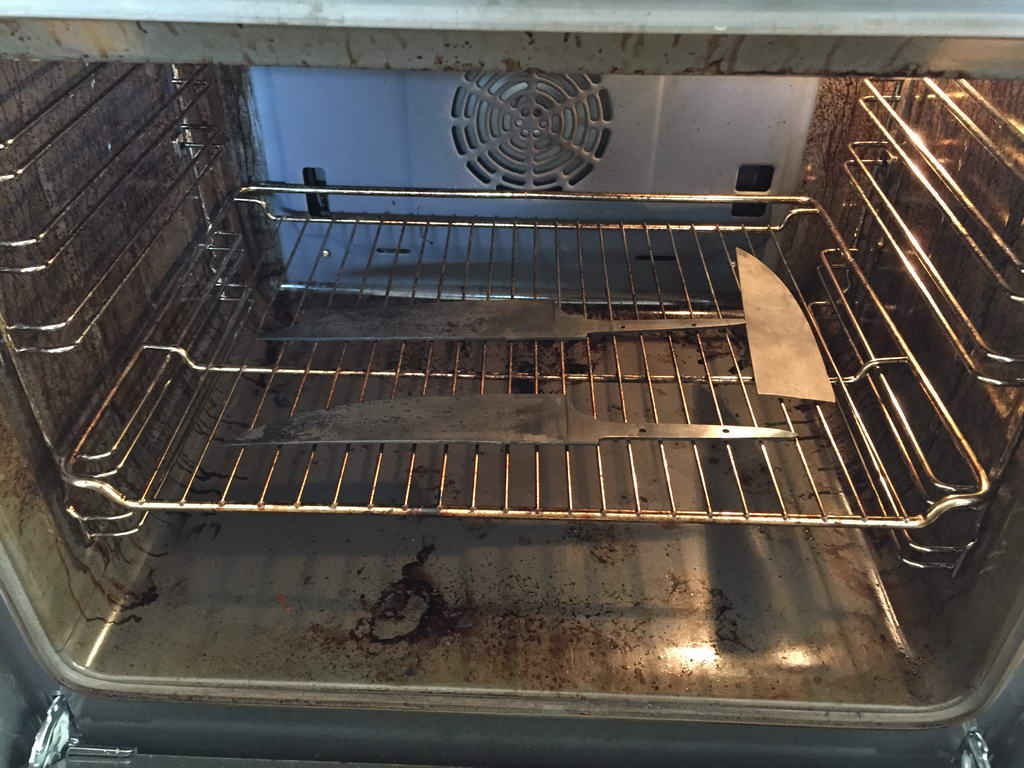
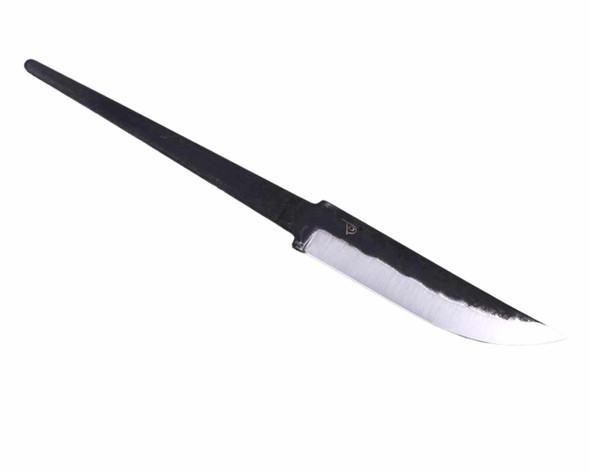
1084 is one of the most popular high carbon blade steels for knife making. It is known for its straightforward heat treatment, good toughness and ability to take a fine cutting edge.
It is an excellent choice for beginner knife makers while still being widely used by experienced bladesmiths. 1084 is suitable for both stock-removal knife making and forging.
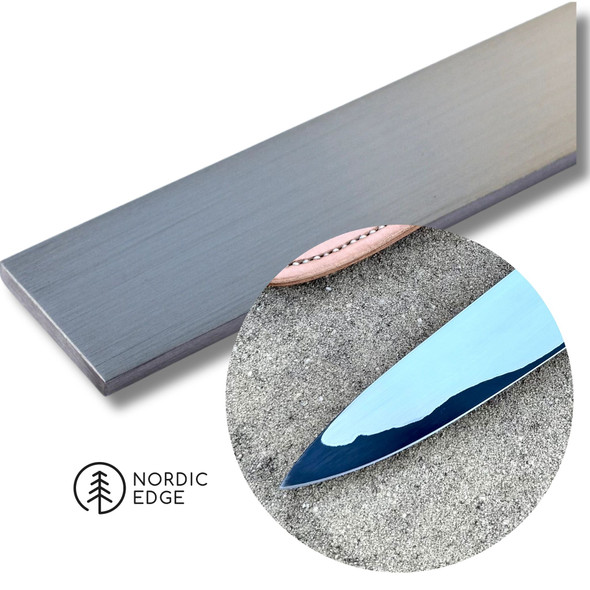
Our 1084 steel is supplied annealed, making it easier to cut, drill, file, grind and shape before heat treatment.
Why Choose 1084 Blade Steel?
- Popular high carbon steel for handmade knives
- Relatively straightforward and forgiving heat treatment
- Suitable for beginners and experienced knife makers
- Suitable for forging and stock removal
- Supplied annealed for easier cutting, drilling and grinding
- Good balance of toughness, hardness and edge performance
- Available in a range of thicknesses, widths and lengths
Bulk Pricing
Our standard bulk discounts are based on the total number of pieces purchased:
- Buy 3–5 pieces and save 10%
- Buy 6–9 pieces and save 15%
- Buy 10 or more pieces and save 20%
Available Sizes
Choose your required size from the dropdown menu.
Measurements are displayed as:
Thickness × Width × Length in millimetres
Please check the selected dimensions carefully before placing your order.
Heat Treating 1084 Carbon Steel
- Heat steel to non-magnetic (max 815 C)
- No hold time, quench as soon as hot enough
- Quench in heated (40-60 C) canola oil for a fast, effective quench
- Temper twice, for 2 hours at 200 C (in a kitchen stove, for instance)
Optional: it is recommended to stress relieve the steel by heating it to red hot and letting it air cool a couple of times before quenching. This helps reduce stress in the steel before the (stressful) quench. If wanting to normalise to refine grain size, heat to 875 C and let air cool 2-3 times. Normalising is done if the steel has been forged, if doing stock removal this step is not usually done. (Pro tip: ALWAYS normalise before quenching for a stronger blade)
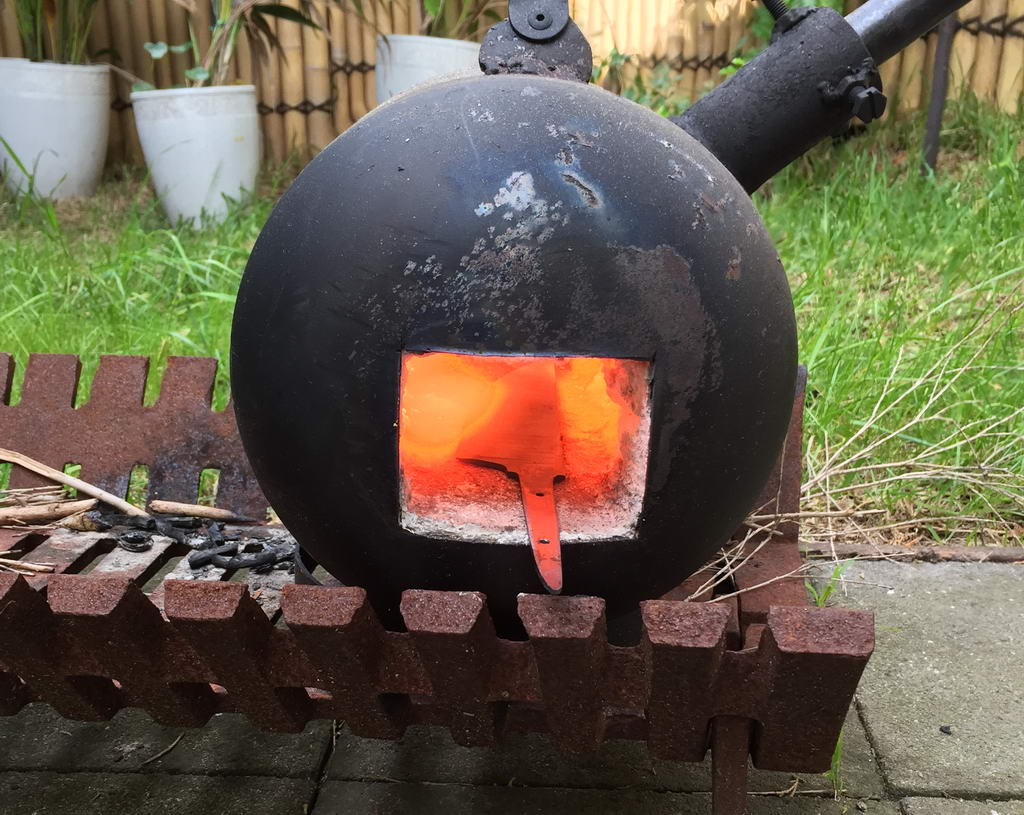
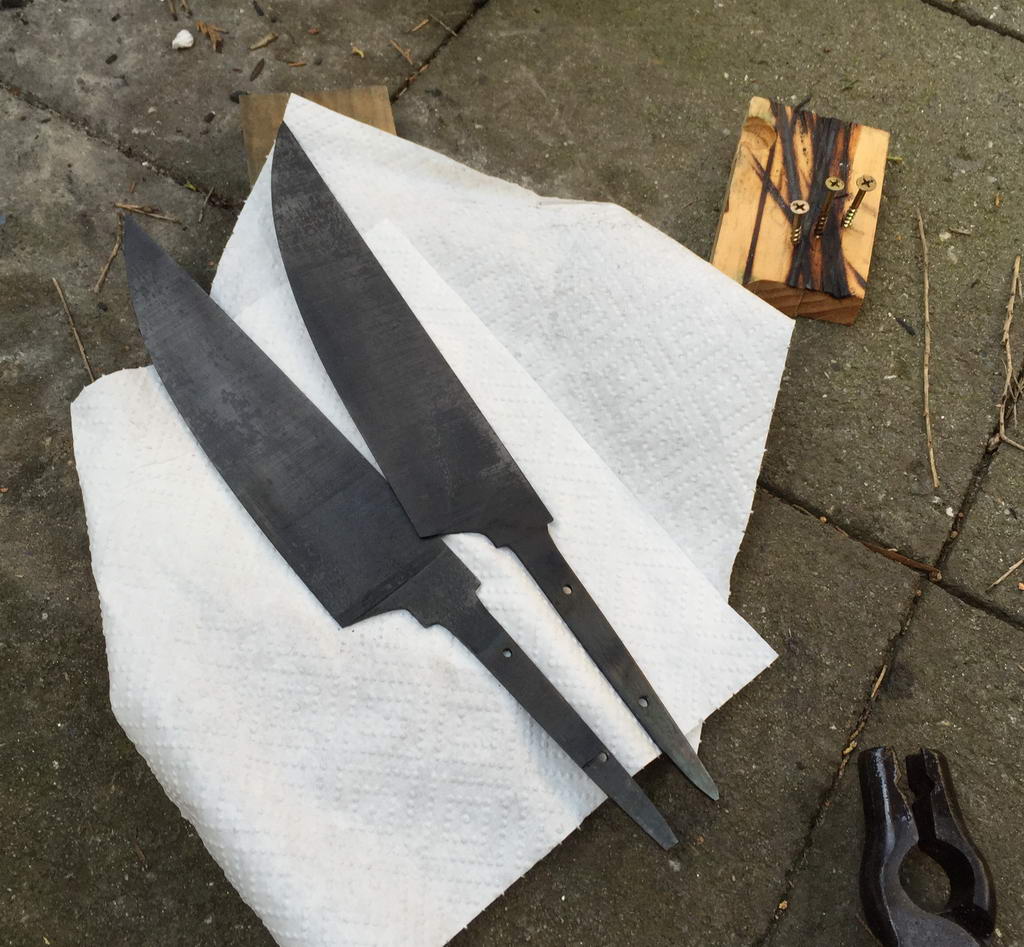
showing blades after normalizing cycles, where the blades are heated and left to air cool. This is often done before quenching, helping to releave tension from the blade before quenching. It also helps reduce the grain size if the blade has been overheated and is generally a good idea.